
Care
Medicare's 2027 home health rule: 2.4% pay rise, palliative care clarified, faster quality data
CMS's final CY 2027 home health rule also lets it backdate enrollment revocations, which it says will save about $82 million a year.
- Who
- Centers for Medicare & Medicaid Services
- What
- Finalised the CY 2027 Home Health Prospective Payment System rule
- When
- 2026-11-04
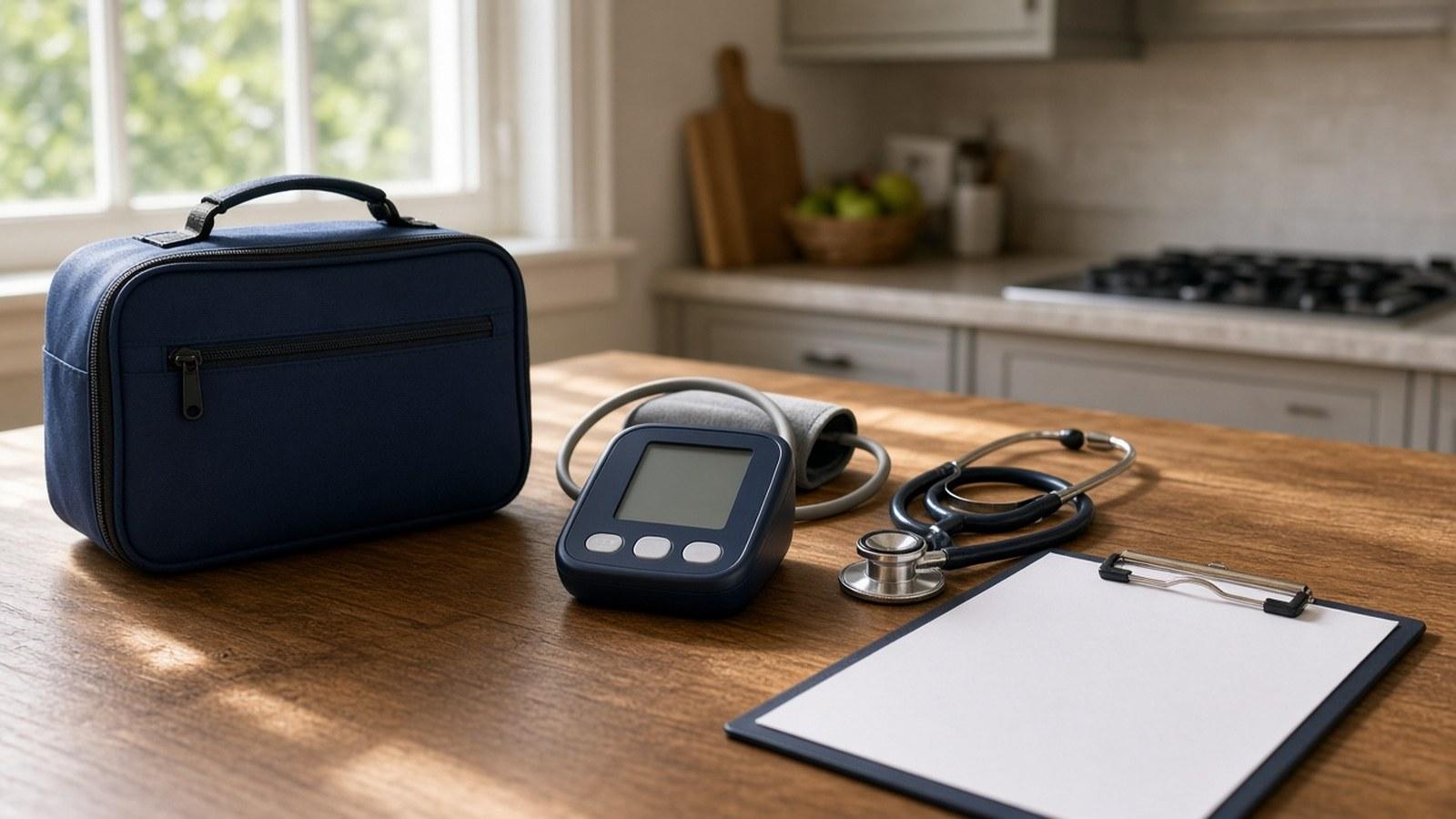 AI 示意
AI-generated illustration
Editor:管理员|Signed:2026-11-24 08:52
The Centers for Medicare & Medicaid Services on November 4, 2026 finalised the Calendar Year 2027 Home Health Prospective Payment System rule. CMS estimates Medicare payments to home health agencies will rise by about 2.4% compared with 2026; the rule also includes a 3% temporary adjustment, consistent with the prior year, as part of the budget-neutral transition to the Patient-Driven Groupings Model.
The rule explains that Medicare's existing home health benefit can cover skilled palliative care, including pain and symptom management at home, for eligible patients with serious illness. CMS said this does not create a new benefit and plans further guidance with examples. It also shortens the deadline for submitting OASIS assessment data from 135 days to 45 days, so quality information can be published up to three months sooner; CMS said about 98% of agencies already submit within 45 days.
Across Medicare provider types, CMS can now make enrollment revocations effective from the date noncompliance began and recover payments back to that point, which it expects to save about $82 million a year. CMS Administrator Dr. Mehmet Oz said the changes will protect seniors and safeguard taxpayer dollars.
According to Centers for Medicare & Medicaid Services.
Corrections
If a fact is wrong, the correction and date go at the top. Principles
 China's eldercare vouchers for disabled seniors: 9.33bn yuan redeemed, 2.43 million beneficiaries
 China's broadcast regulator and civil affairs ministry push one-click TV and smart-TV eldercare platforms
 China sets 2030 eldercare targets: 73% nursing-type beds, robots and exoskeletons in care homes