
Cross-border
After the EU scraps its small-parcel duty exemption, Temu speeds up recruitment of local sellers
According to KrASIA in November, Sensor Tower data show Temu's monthly active users fell 18% year on year in October, and the platform is shifting towards local merchants and shipping from local warehouses.
- Who
- Temu / PDD Holdings
- What
- Adjusting its cross-border model and expanding local-seller recruitment
- When
- Reported 2026-11
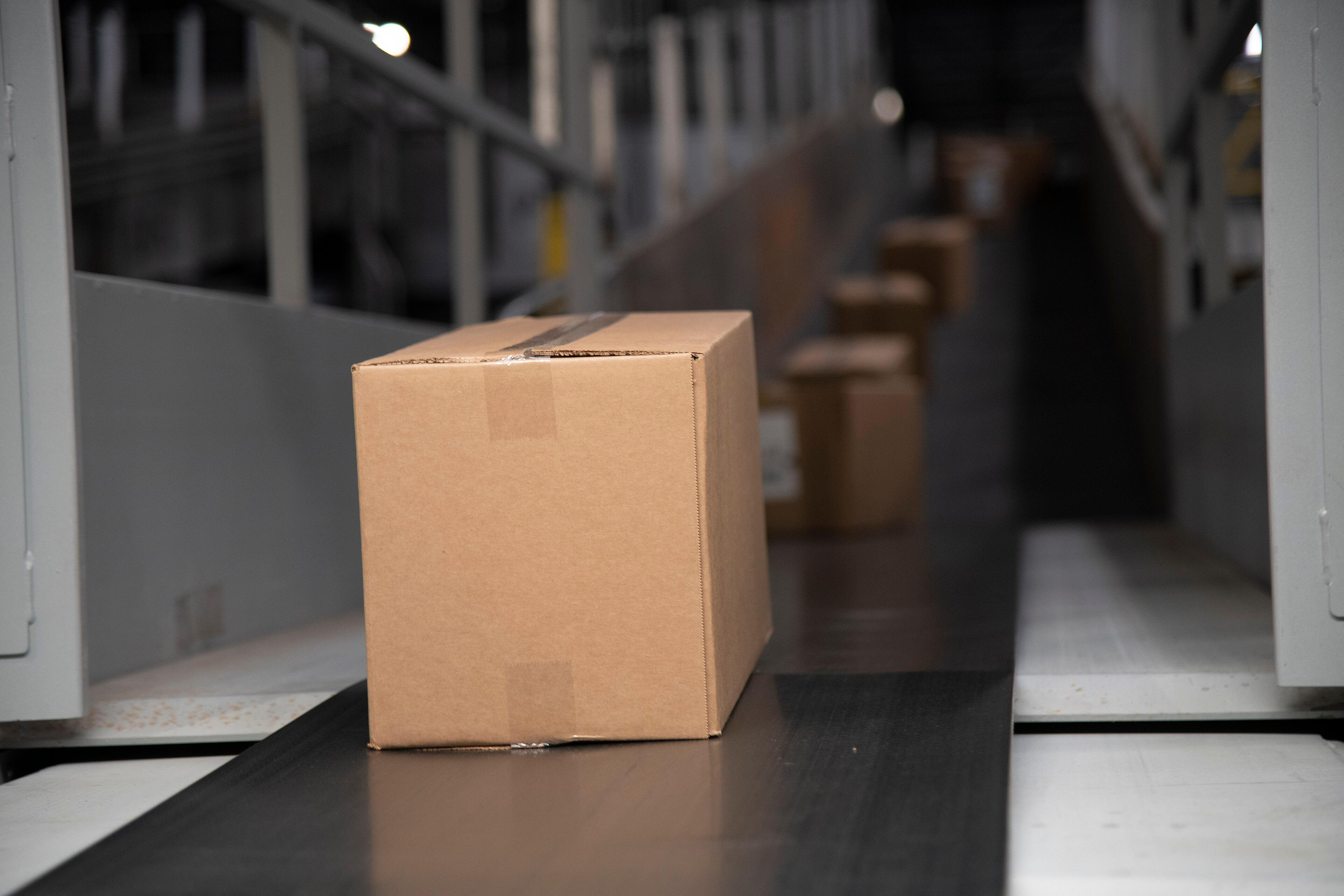
Image: U.S. Department of Agriculture / Wikimedia Commons / Public domain
Editor:管理员|Signed:2026-11-24 08:52
According to a KrASIA report published on November 11, 2026, Chinese low-price cross-border e-commerce platforms face heavier tariff pressure after the EU and others tightened de minimis rules. Citing market researcher Sensor Tower, the report says Temu's monthly active users fell 18% year on year in October, and its user base has been shrinking since June.
Since July 1 the EU has levied a €3 duty on imported parcels worth less than €150, and this month it added a €2 handling fee, the report says. Chen Lei, co-chairman and co-CEO of PDD Holdings, acknowledged on the August earnings call that the new duties would raise the cost of cross-border orders in the short term.
Temu no longer relies only on low-price goods exported from China and has begun recruiting local merchants, a programme that now covers about 40 countries including Japan, according to the report; its German site carries more and more 'delivery in one working day' adverts.
Corrections
If a fact is wrong, the correction and date go at the top. Principles
 China's October trade jumps 31.2% to 4.87 trillion yuan as chip and storage exports multiply
 China's 9th import expo reports $85.45bn in intended annual deals, up 2.3%
 China opens anti-dumping probes into EU and Japanese ENB and EU para-aramid yarn
