
Robotics
Huawei Cloud open-sources CloudRobo-WM1.2, an embodied world model it says tops RoboTwin 2.0 and LiberoPro 2.0
Huawei Cloud released and open-sourced CloudRobo-WM1.2 in Hangzhou on November 16. The model is built for Huawei's Ascend chips and outputs robot actions directly from a world model.
- Who
- Huawei Cloud
- What
- Released and open-sourced the CloudRobo-WM1.2 embodied world model
- When
- 2026-11-16

Image: CNHowey / Wikimedia Commons / CC BY-SA 4.0
Editor:管理员|Signed:2026-11-24 08:52
Huawei Cloud released and open-sourced CloudRobo-WM1.2, an embodied world model built natively for its Ascend chips, in Hangzhou on November 16, 2026, according to a news post on its website. The company says the model uses a shared world-model backbone and a "DualAct" architecture that generates robot actions directly from the world model, and that it ranked first on the RoboTwin 2.0 and LiberoPro 2.0 benchmarks. The rankings are Huawei Cloud's own claim; DEEPGER has not checked them.
Huawei Cloud lists five core technologies: a multimodal world-representation architecture it calls PPA; the dual-channel DualAct action design; a pretraining framework that can use incomplete or mixed-quality data; motion modeling that works across single-arm, dual-arm and wheeled robots; and four inference modes that can be combined to fit different compute and latency budgets.
The company says the model runs on its Ascend cloud and comes with six engineering capabilities, from simulation-based cold starts and cloud-native training to cross-robot adaptation, continual learning and safe operation. It pledged to keep opening up models, tools and technical know-how and to build solutions with robot makers, universities and industry partners.
Corrections
If a fact is wrong, the correction and date go at the top. Principles
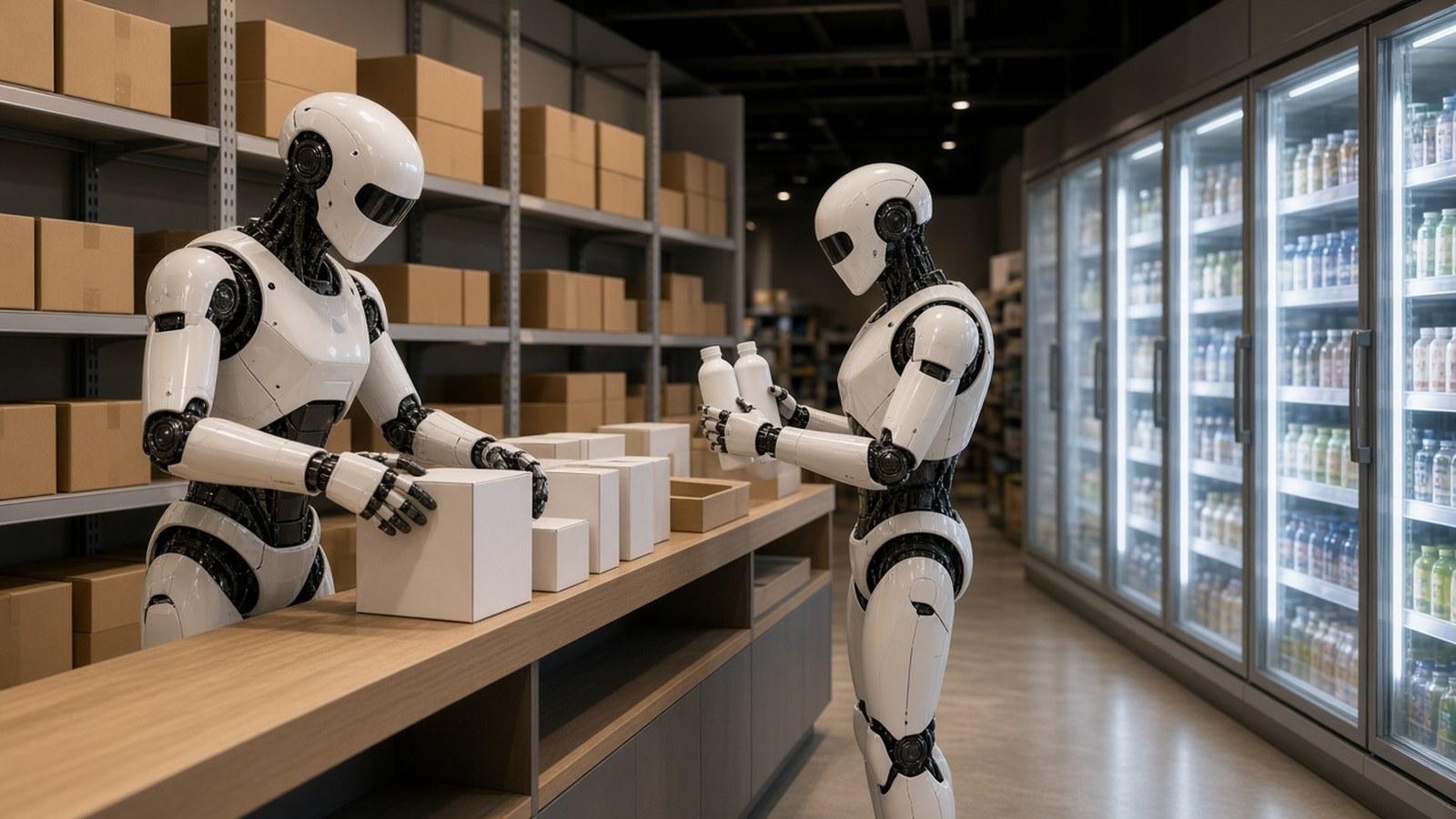 Six AgiBot G2 robots work a convenience store for 24 hours on a livestream, completing 1,730 tasks
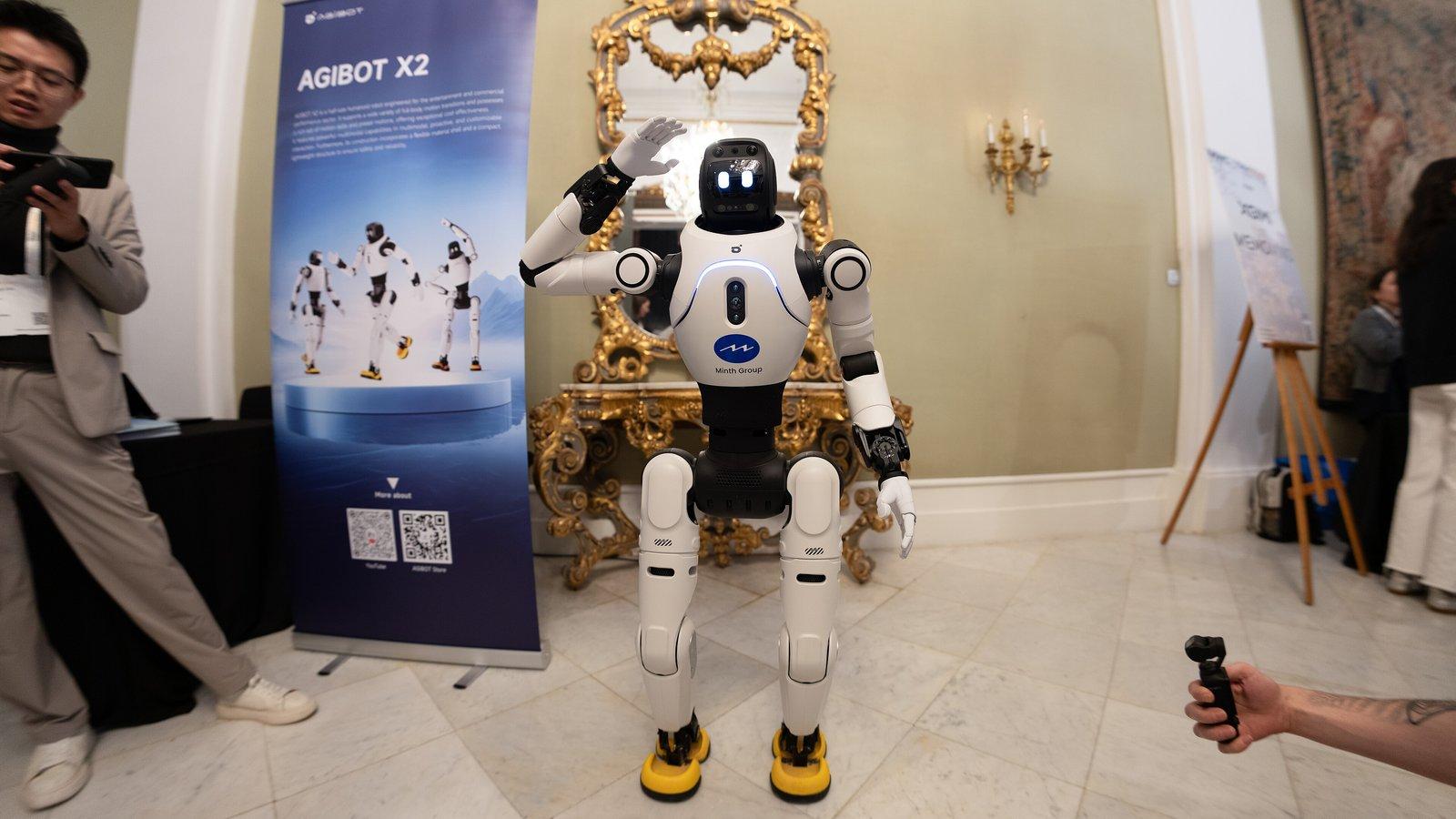 AgiBot launches WITA-Omni, an on-robot interaction model it says responds in as little as 400 milliseconds
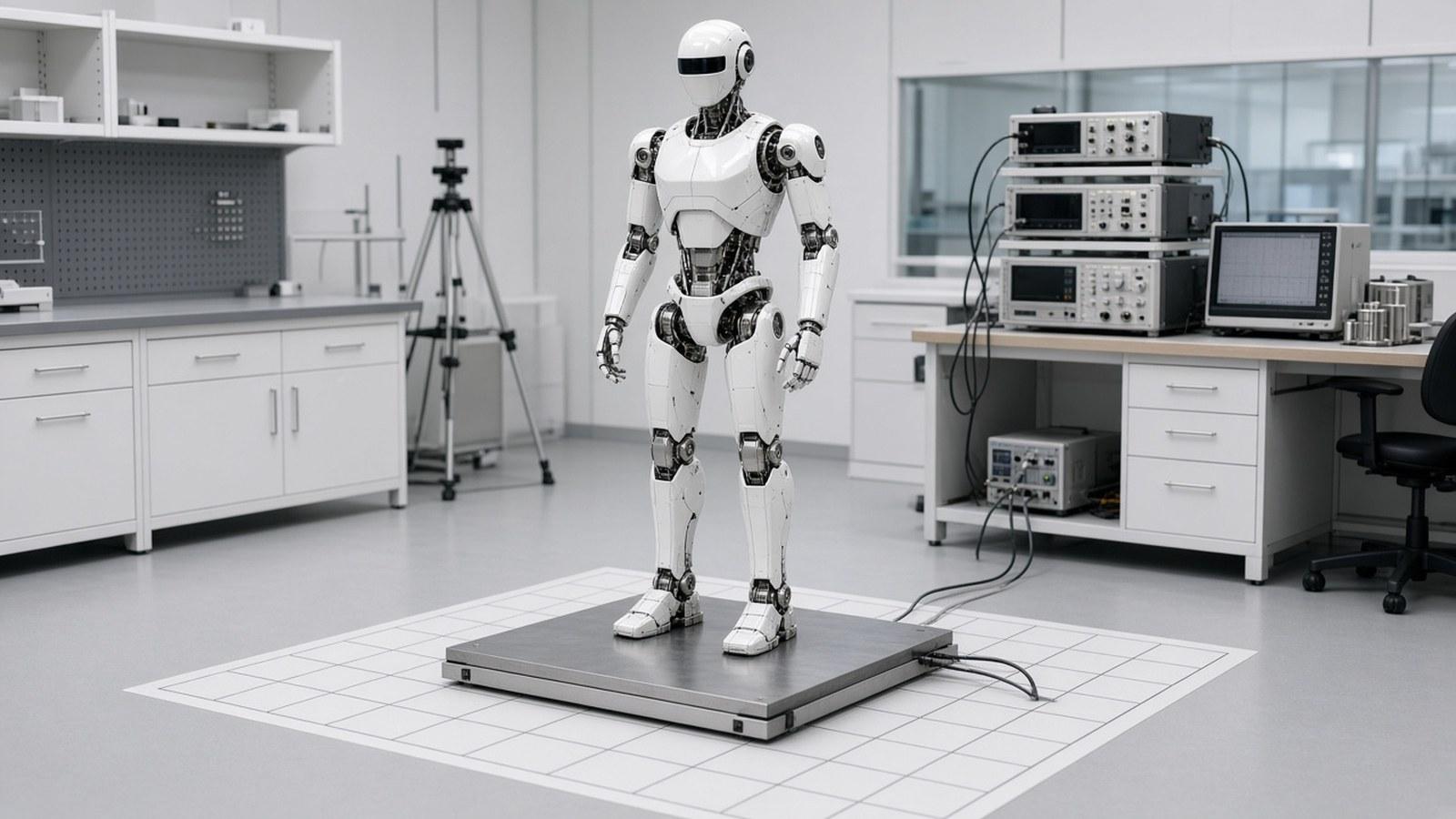 China's industry ministry approves 274 standards, including five for humanoid robots that take effect immediately
